
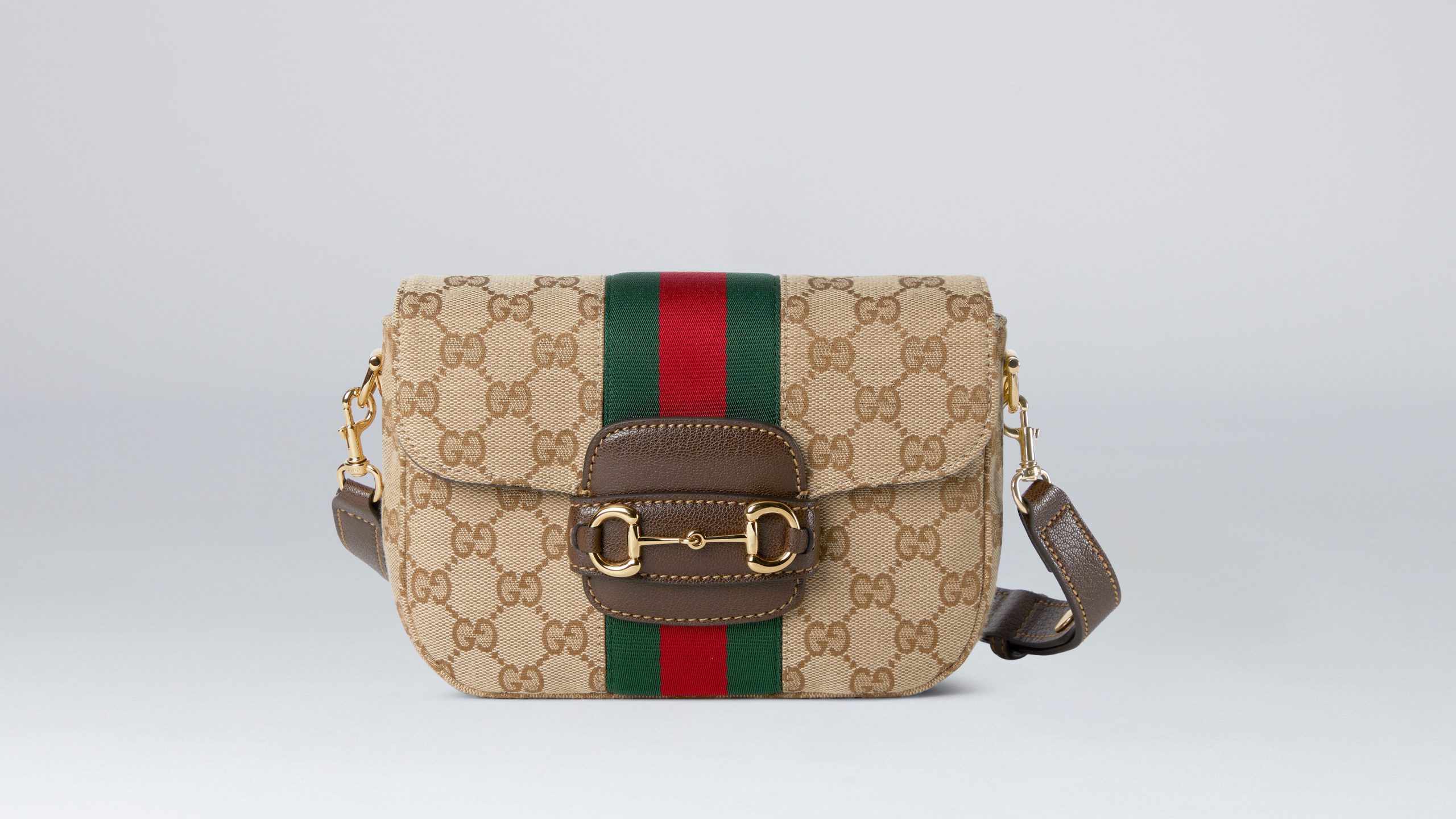
What Makes a Crossbody Bag Worth Choosing Carefully?
A crossbody bag is, on paper, the most practical bag you’ll own. It leaves both hands free, sits close to the body for security, and distributes weight across the shoulder rather than concentrating it on one arm. But those advantages only hold if the bag actually fits — and “fits” here means more than just whether your phone goes in. It means the strap drop places the bag at the right height on your frame, the interior layout makes your essentials reachable without unpacking everything, and the weight of the bag plus its contents stays comfortable over several hours of wear. Each of these factors can be measured and compared, which is what this guide is for. By the end you will know exactly how to choose a designer crossbody bag that fits your frame, your essentials, and your day.
Which Size Crossbody Bag Should You Choose?
Crossbody bags break into three practical size bands, and the right one depends on what you carry daily rather than what the bag “should” hold.
Mini (under 7 inches wide). Phone, cardholder, key, lip product — and that is about it. A mini crossbody works best for evenings, quick errands, or as a second bag inside a larger tote. It will not hold sunglasses in a case or a compact umbrella. If your daily carry is genuinely this minimal, a mini crossbody can be freeing. For everyone else, it becomes a compromise.
Small (7 to 9 inches wide). This is the sweet spot for most people. You can carry a phone, a cardholder or compact wallet, keys, a lip product, and a pair of folded sunglasses or a small hand cream. A small crossbody transitions easily from day to evening and sits comfortably against the hip without looking oversized. If you are choosing your first designer crossbody, this is the size to start with.
Medium (9 to 11 inches wide). These bags add an exterior pocket, a roomier main compartment, and sometimes a small interior slip pocket. You can fit a tablet or a slim paperback, a glasses case, and a small water bottle. The trade-off is weight — a medium crossbody in full-grain leather can feel noticeably heavy after an afternoon. Brands that use lighter construction methods, like unlined interiors or canvas-backed leather, make medium crossbody bags more wearable for all-day use.
What Strap Length and Drop Actually Fit You?
Strap drop — the vertical distance from the top of the strap to the top of the bag — is the number that determines where a crossbody sits on your body. Bag designers rarely publish this figure, but you can infer it from product photos and, more reliably, measure it yourself once the bag arrives.
As a starting point, most women between 5’2″ and 5’7″ (158–170 cm) find a drop of 20 to 22 inches (51–56 cm) places the bag around the hip bone — a natural, comfortable position that does not cut across the bust line. If you are taller, or if you prefer the bag to sit lower (around the upper thigh), look for a drop of 23 to 25 inches (58–63 cm). If you are shorter or prefer a higher carry, aim for 18 to 20 inches (46–51 cm).
Many designer crossbody bags now include adjustable straps, which makes this decision simpler — you can fine-tune the drop rather than hoping the fixed length works. When a bag has a fixed-length strap, try standing in front of a mirror with a measuring tape, holding it from your shoulder to your hip bone, to see where a given drop would land.
Which Materials and Hardware Age Best?
The materials in a crossbody bag matter more than in most other bag types, because a crossbody sees friction from clothing, gets set down on surfaces more often, and sits in your lap or on a chair rather than hanging from a dedicated hook. Three material groups dominate the designer crossbody category.
Full-grain calfskin. The most durable option for a daily bag. It develops a patina over time — the surface darkens slightly in high-contact areas — which in the quiet-luxury aesthetic is seen as a feature, not a flaw. Calfskin resists scratches better than lambskin and holds its shape through repeated use. Most of the heritage houses use this as their default leather for crossbody styles, and for good reason.
Coated canvas. Brands like Louis Vuitton built their reputation on coated canvas, a cotton canvas sealed with a PVC or similar coating. It is lighter than leather, water-resistant, and largely immune to scratching. The trade-off is that coated canvas cannot be repaired in the way that leather can — once the coating cracks or separates, the bag is usually beyond restoration. For a bag you plan to carry daily for years, leather remains the stronger choice.
Hardware. Look for palladium (a platinum-family metal that resists tarnishing) or gold-plated brass with a clear protective coating. Matte-finish hardware hides scratches better than a high-polish finish. The hardware that wears fastest on a crossbody is the strap buckle and the zipper pull — if you can, choose a bag with hardware that has a brushed or matte finish on these high-contact points.
Structured or Soft: Which Silhouette Suits Your Use?
A structured crossbody holds its shape when set down and looks neat against tailored clothing. It is the right choice if you wear blazers, trousers, and button-front shirts — the bag’s clean lines echo the clothing’s architecture rather than fighting it. A structured crossbody also protects its contents better, since the bag does not collapse around your things.
A soft or slouchy crossbody conforms to your body as you move and feels more informal. It is the better choice if your wardrobe leans toward knits, denim, and relaxed tailoring. The interior of a soft crossbody can feel like a single cavity, so look for one with at least one interior slip pocket to keep small items from migrating to the bottom.
A Simple Decision Checklist
- Do you carry more than a phone, wallet, and keys? If yes, go small (7–9 inches), not mini.
- Is your strap adjustable? If not, measure the fixed drop against your own height at home before committing.
- Do you wear jackets and blazers regularly? A structured silhouette will sit more neatly against tailored clothing.
- Do you need the bag to be lightweight for all-day wear? Coated canvas weighs less than full-grain leather.
- Will the bag be used for evenings as well as days? A removable strap lets you convert to a clutch — useful if your evenings are dressier.
- Does the interior have at least one slip pocket? In a softer bag especially, this keeps small items accessible.
To see how these principles translate into specific bags, browse the curated crossbody selection in our shop. A few we reach for regularly include the Gucci Horsebit 1955 for its structured, archival silhouette; the Louis Vuitton Pochette Métis for an organized interior in a compact frame; the Hermès Evelyne TPM for a lightweight, minimal crossbody that moves with you; the Gucci Dionysus Medium for a soft silhouette with distinct hardware; and the Arco Mini Crossbody for an understated, modern shape. For styling ideas, see our guide to styling a crossbody bag.
What size crossbody bag is most versatile?
A small crossbody, 7 to 9 inches wide, is the most versatile size. It holds a phone, cardholder, keys, and a lip product without looking bulky, and transitions easily from a day of errands to an evening out.
What strap drop is right for my height?
For heights between 5’2″ and 5’7″ (158–170 cm), a drop of 20 to 22 inches places the bag at the hip bone. Taller frames should aim for 23 to 25 inches; shorter frames should look for 18 to 20 inches. An adjustable strap makes this decision simple.
Which crossbody materials last longest?
Full-grain calfskin is the most durable leather choice for a daily crossbody — it resists scratches, develops a patina, and can be repaired. Coated canvas is lighter and water-resistant but cannot be restored once the coating cracks.
Can a crossbody bag replace an everyday tote?
For someone who carries little beyond a phone, wallet, and keys, yes. A medium crossbody can hold a tablet or a slim paperback. But if you regularly carry a laptop, lunch, or a change of shoes, a tote remains the more practical choice — see our guide to choosing a tote bag for more on that.